
Course
Hematology/Coagulation
PATH-40011
- The study and performance of tests related to the enumeration and identification of the cellular elements of blood and body fluids, primarily red blood cells, white blood cells, and platelets. Included is Coagulation, the study of hemostasis, which focuses on diagnosing and monitoring bleeding abnormalities, clotting abnormalities, and platelet disorders.
This class is part of the Clinical Labratory Scientist Training program and is not currently available to the public.
OBJECTIVES: these are the main learning outcomes for each course and sub-outcomes will appear within the course materials and instructional events
- Explain the molecular, genetic, and physiologic basis of hemoglobinopathies, including common hemoglobin variants, unstable hemoglobins, and methemoglobinemia.
- Relate the pathophysiology of hemoglobin disorders to their epidemiology, clinical manifestations, and factors influencing disease severity and complications.
- Interpret laboratory findings and diagnostic methods used to identify hemoglobinopathies and describe current approaches to treatment and disease management.
- Explain the classification, pathophysiology, and etiologies of macrocytic and megaloblastic anemias, including vitamin B12 and folate deficiencies.
- Differentiate megaloblastic from non-megaloblastic macrocytic anemias through evaluation of morphologic features, laboratory findings, diagnostic testing, and clinical manifestations.
- Describe the diagnosis, complications, and treatment of vitamin B12 deficiency, folate deficiency, and pernicious anemia.
Course Information
6.00 units
TBD
Course sessions
Related Courses
Classroom type:
Live Online
In-Person
Online
Hybrid
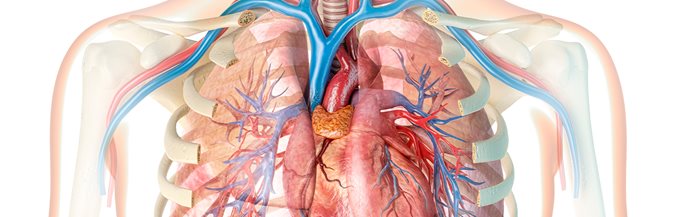
Anatomy & Physiology for Allied Health
Develop an integrated understanding of human structure and function
- Units
- 4.50
- Cost
- $845.00
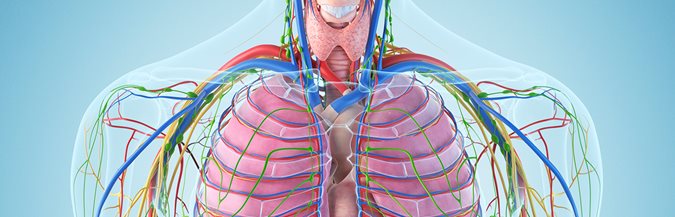
Human Anatomy
This course presents an integrated introduction to the structure and function of cells, tissues, and organs of the human body.
- Units
- 5.00
- Cost
- $1,850.00
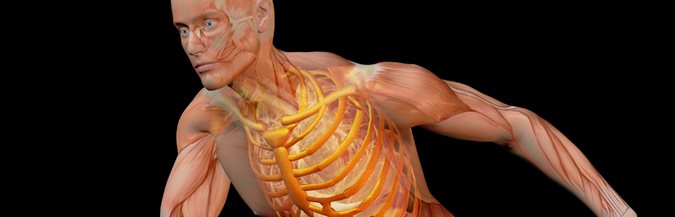
Human Anatomy
Learn fundamental principles of body structure at the cellular, tissue, organ, and system levels of organization.
- Units
- 4.50
- Cost
- $755.00