
Microbiology/Parasitology
PATH-40014
The study, detection and identification of bacteria and mycobacteria of clinical significance using culture and isolation, direct and stained smears, biochemical, microscopic, molecular, and automated methods and techniques; determination of bacterial antibiotic susceptibility testing. Parasitology, Mycology and Virology: the study of clinically important parasites, fungi and viruses, and procedures employed in their detection and identification. Emphasis is placed on the correlation of clinical laboratory data with the patient’s diagnosis and treatment.
This class is part of the Clinical Labratory Scientist Training program and is not currently available to the public.
OBJECTIVES: these are the main learning outcomes for each course and sub-outcomes will appear within the course materials and instructional events
- Demonstrate accurate and precise performance of microbiological and parasitological procedures using appropriate laboratory techniques and methodologies.
- Evaluate specimen acceptability and perform specimen processing, media selection, inoculation, isolation, and incubation procedures using appropriate environmental conditions.
- Explain and apply principles of organism identification methods, including biochemical, microscopic, molecular, serologic, automated, and quality control processes.
- Describe the principles, operation, maintenance, calibration, troubleshooting, and clinical applications of automated instrumentation and analytical systems used within the discipline.
- Recognize and interpret clinically significant microorganisms, including bacterial, fungal, and parasitic organisms, and correlate laboratory findings with associated disease processes.
Course Information
Course sessions
Related Courses
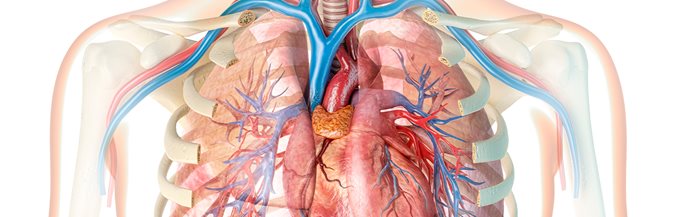
Anatomy & Physiology for Allied Health
Develop an integrated understanding of human structure and function
- Units
- 4.50
- Cost
- $845.00
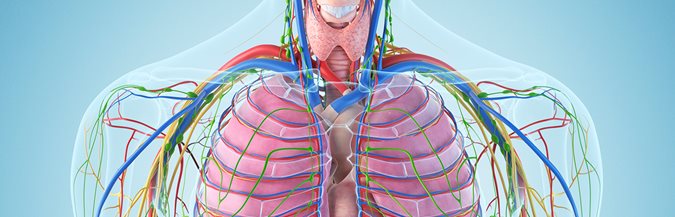
Human Anatomy
This course presents an integrated introduction to the structure and function of cells, tissues, and organs of the human body.
- Units
- 5.00
- Cost
- $1,850.00
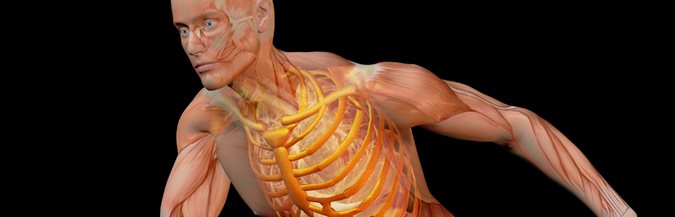
Human Anatomy
Learn fundamental principles of body structure at the cellular, tissue, organ, and system levels of organization.
- Units
- 4.50
- Cost
- $755.00